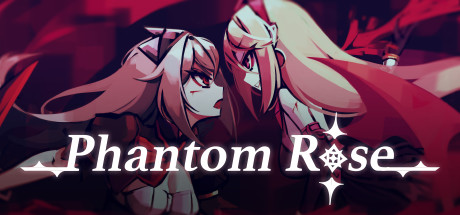
The Verdict
“Gorgeous anime deckbuilder with a genuinely novel card-consumption mechanic — though RNG-heavy balance and scant content cap its staying power.”
Very Positive
This puts the game in the top 30% of all reviewed games on Steam.
Analysis by Ivan Z. Ganza · Methodology →
Quick Stats
215en
870 total (all languages)
212 analyzed
Current as of Apr 26, 2026
Aug 7, 2019
$14.99
Apr 23, 2026
0.1/day
Slowing
Metadata current as of Apr 26, 2026 · Source: Steam
Market Reach
≈30,000
≈$210.0K
Based on 870 reviews (all languages)
Based on review count × genre/age/price-adjusted Boxleiter ratio. Gross revenue before Steam’s 30% cut, refunds, and regional pricing.
Design Strengths
- Standout anime/goth hand-drawn art and card animations — cited as primary purchase driver in 74 reviews
- No-draw-luck turn system: 4-slot cooldown structure replaces random hand draws, rewarding card-order planning
- Vanishing-card mechanic forces adaptive deck consumption and prevents repetitive run-to-run strategies
- Scarlet/2.0 mode introduced a cooldown alternative that directly addressed the most-cited mechanic complaint
- Rose currency creates a meaningful secondary resource layer beyond standard deckbuilder gold/energy systems
- Piano soundtrack praised for strong atmospheric fit with the game's dark maid-mansion tone
- Protagonist Reina's deadpan personality and unlockable outfit cosmetics add low-cost character appeal
- Developer responsiveness post-launch — community-requested changes shipped, including full alternate game mode
Gameplay Friction
- RNG-driven difficulty spikes at higher Diamond levels make entire runs feel decided by luck rather than skill, depressing both wins and losses
- Card balance is uneven: too many situational dead cards, percentage-based spells that underperform, and a card pool that reviewers describe as not thoughtfully designed
- Rose currency conversion ratio is punishing — dissolving a card yields 2–4 roses while crafting a new one costs 12–16, making the crafting system largely inaccessible
- Real-time lock-picking mini-game on treasure chests is tonally mismatched and alienates the game's strategic audience
- Unskippable battle animations with no speed multiplier make repeated runs feel slow and tedious over time
- Non-consumable card synergies feel precarious because good cards are too scarce to use freely, making them feel precious rather than exciting
Audience Profile
Ideal Player
A deckbuilder fan who values striking art and adaptive, resource-tight strategy over synergy-combo optimization.
Casual Friendliness
low
Player Archetypes
Not For
Sentiment Trend
stable
Insufficient recent review volume to determine trend.
Genre Context
Roguelike deckbuilders at this price tier typically win on mechanical depth and card-pool breadth; Phantom Rose differentiates meaningfully with its consumption mechanic and visual quality but falls short of genre benchmarks on card balance, content volume, and RNG fairness. The dual-mode approach (classic vanishing vs. Scarlet cooldown) is a rare post-launch structural response to audience feedback that few indie deckbuilders execute.
Promise Gap
Audience Match
The store page targets broad roguelike card game fans with an adventure framing, but the actual audience skews heavily toward players who specifically value aesthetic-first design and adaptive resource strategy — casual deckbuilder fans expecting a standard Slay the Spire experience frequently bounce off the consumption mechanic.
Player Wishlist
- More card variety — players see ~70% of the card pool within two playthroughs and want a larger pool to sustain discovery
- Expanded narrative and in-game lore, rather than vague occasional slideshows with no contextual explanation
- More soundtrack tracks to prevent repetition during extended sessions
Churn Triggers
- Players encounter the lock-picking mini-game for the first time at a treasure chest — multiple refunds happen at this exact moment within the first 30 minutes
- Early-run losses attributed entirely to bad card RNG before systems are understood cause sub-1-hour dropouts, especially from players arriving from fairer roguelikes
- After 2–3 playthroughs, players notice they've seen most of the card pool, reducing the surprise loop that sustains roguelite replays
Developer Priorities
Rebalance card pool: cull or redesign dead situational cards, reduce percentage-based spells, and normalize the rose dissolution-to-craft cost ratio
Card balance is the single most-cited mechanical failure (38 mentions, highest helpful-vote topic at avg 114); it compounds the vanishing mechanic into frustration rather than strategy
Audit and recalibrate RNG variance at Diamond difficulty and boss encounters to reward skill expression over dice rolls
49 mentions — the most-cited friction topic — with the highest-voted negative review (327 helpful votes) directly attributing the game's fundamental problem to RNG undermining both wins and losses
Add a speed multiplier or skip option for battle animations
Unskippable animations are a direct replayability tax — reviewers with high run counts specifically cite this as the reason they stop playing rather than continue
Replace or make optional the real-time lock-picking mini-game
Directly caused at least two documented same-session refunds; tonally mismatched with a turn-based strategy audience and appears within the first 30 minutes of play
Expand the card pool and add in-game lore/narrative scaffolding
Card variety exhaustion after 2 playthroughs shortens the roguelite discovery loop; thin narrative limits emotional investment — both reduce long-tail retention at zero acquisition cost
Competitive Context
Most-cited reference. Reviewers see Phantom Rose as a worthy alternative with a genuinely distinct vanishing-card mechanic, but acknowledge it doesn't match Slay the Spire's content depth or mechanical polish.
Cited for tonal and difficulty parallels — punishing failure loops, dark atmosphere, and repeated-run progression. Part of the shorthand 'STS + DD + Anime Maid Girl' summary.
Mentioned as a comparable design choice: temporary card mechanics used to limit game-breaking synergies in both games.
One reviewer explicitly states Phantom Rose is the better game.
Player coming from Risk of Rain 2 flagged the vanishing card mechanic as a hard adjustment from typical roguelike conventions.
Cited alongside Darkest Dungeon as a tonal and structural influence on Phantom Rose's gameplay concept.
Sentiment History
Sentiment over time
Playtime Sentiment
Sentiment by time invested
· 215 post-launch reviewsPlayers who invest more time rate this game significantly higher (+20pts) — a strong signal of a slow-burn experience that rewards patience.
Competitive Benchmark
Compared to 226 similar games in the Strategy genre released in 2019.
Tags
Loading analytics...
Get more analyses like Phantom Rose
Free reports today. Pro launches soon. No spam.