The Verdict
“The Captain America elevator scene as a deckbuilder — sublime tactical positioning undermined by unbalanced late-game and repetitive run structure.”
Very Positive
This puts the game in the top 30% of all reviewed games on Steam.
Analysis by Ivan Z. Ganza · Methodology →
Quick Stats
2,658en
3,808 total (all languages)
1,996 analyzed
Current as of Apr 23, 2026
Dec 2, 2021
$24.99
Apr 23, 2026
1.1/day
Slowing
Metadata current as of Apr 23, 2026 · Source: Steam
Market Reach
≈120K
≈$3.1M
Based on 3,808 reviews (all languages)
Based on review count × genre/age/price-adjusted Boxleiter ratio. Gross revenue before Steam’s 30% cut, refunds, and regional pricing.
Design Strengths
- Grid-based positioning where manipulating enemy spacing — forcing friendly fire or ring-outs — creates uniquely satisfying tactical puzzles every fight
- Deckbuilding system with 200+ cards supports genuinely distinct archetypes (aggressive, grappler, bleed, counter, gun), rewarding creative build experimentation
- Momentum mechanic elegantly ties movement and attack sequencing together, adding a second resource layer that deepens decision-making without cluttering the turn
- Cinematic replay system and fluid character animations fulfill the spy-thriller action-movie fantasy at the point of resolution, not just in trailers
- Original soundtrack (nervous_testpilot) is consistently called out as exceptional and genre-enhancing, elevating combat encounters well beyond typical indie production values
- Accessible entry point to deckbuilders for non-card-game players, with multiple difficulty settings and permadeath toggle lowering the barrier without removing depth
- Daily challenge mode with online leaderboards provides structured endgame competition for players who exhaust the base run variety
Gameplay Friction
- Deck archetype balance is critically uneven: bleed and grappler builds are outright non-competitive in later levels, while the speed-bonus economy punishes all slow/defensive strategies — effectively narrowing viable play to 2–3 builds
- RNG in card draws and enemy spawn positioning can create provably unwinnable states at later stages regardless of deck quality or player skill, breaking the tactical agency promise
- Enemy attack telegraphs are easy to miss; monochrome UI symbols require constant mousing-over enemies to determine auto-attack zones, range, and counter-attack triggers — leading to opaque run-ending losses
- Final boss and late-game encounters hard-counter movement, throw, and positioning mechanics built throughout the run — invalidating the core strategic identity the player has invested in
- Overworld economy is punishing: healing and card upgrades are expensive relative to cash rewards, upgrade costs scale aggressively, and enhancements are widely considered underpowered versus equivalent systems in comparable games
- Animations cannot be accelerated, causing early-stage fights (where outcome is already decided) to drag — runs average 2+ hours, making late-game losses disproportionately punishing
- Card unlock progression is grindy, locking some of the most build-defining cards behind 20+ hours of play
Audience Profile
Ideal Player
A strategy-minded player who wants to feel like a movie action hero and enjoys iterating on card synergies within a tight positional puzzle every turn.
Casual Friendliness
medium
Player Archetypes
Not For
Sentiment Trend
stable
Sentiment steady at ~84% positive over the last 180 days (122 reviews).
Genre Context
In the roguelike deckbuilder genre, FITS occupies a genuinely distinct niche by fusing card resource management with grid-based tactical positioning — a combination most genre titles don't attempt. Where most competitors compete on synergy depth or narrative meta-progression, FITS's differentiator is spatial puzzle design, but its fixed run structure and archetype balance gaps put it behind genre leaders on long-term replayability.
Promise Gap
Audience Match
The store page targets a broad action-game audience with language like 'thrilling animated fight sequences' and 'endless threats,' suggesting more variety and action immediacy than the game delivers; the actual audience skews toward patient strategy and deckbuilding enthusiasts who tolerate repetitive run structures.
Player Wishlist
- Custom deck / sandbox mode to test build ideas against AI without roguelike stakes or achievement implications
- Deck management UI with sorting and filtering by card type (block, movement, push, etc.) and category counts
- Modding support for community-created cards, enemies, or level layouts
- Persistent meta-progression with narrative or mechanical story unlocks between runs
- Greater level-path variance across runs (branching layouts that are not identical each playthrough)
Churn Triggers
- First or second late-game boss encounter: players who built movement- or throw-focused decks discover their entire strategy is invalidated, causing immediate run abandonment and often permanent uninstall
- After 10–15 hours, players recognize that level sequences, branching paths, and boss order are identical every run — the 'one more run' loop collapses once the template is visible
- Within the first 3 hours: players expecting fluid action-movie combat encounter slow, plodding animations and a punishing economy, mismatching their store-page expectations and triggering early exit
- At the first bad-RNG run-ending moment at mid-to-late stages, players who had invested 2+ hours in a run refund or uninstall after feeling the loss was outside their control
Developer Priorities
Rebalance late-game encounters to preserve viability of movement, throw, and positioning-based deck archetypes — specifically redesign the final boss and armored enemy encounters
The final-stage archetype invalidation is the single highest-helpfulness friction signal (avg 18.6 helpful votes per review) and directly causes run abandonment at the moment of highest player investment; it undermines the core positioning fantasy the game is built on
Implement a 2–3x animation speed toggle for combat resolution
Absent from a genre where it is now standard; slow pacing is a cited refund driver, a churn trigger within the first 3 hours, and is explicitly noted as a missing QoL feature by players who otherwise love the game — a low-cost fix with outsized retention impact
Overhaul enemy telegraph UI: add persistent visual indicators for auto-attack zones and counter-attack ranges without requiring mouseover; disambiguate monochrome symbols with color or iconography
The second-highest-friction topic by helpful votes (avg 9.8); opaque enemy intent causes losses that feel unfair rather than instructive, directly harming new-player retention and producing the 'I didn't know that would happen' review pattern
Audit and rebalance card viability — specifically buff bleed, grappler, counter, and throw archetypes; adjust speed-bonus economy to not penalize slow strategic styles
The highest-mention friction topic overall (198 mentions, avg 12.4 helpful votes); narrowing viable builds to 2–3 meta options directly contradicts the '200+ cards, build to your playstyle' store promise and reduces long-term replayability
Add a sandbox / custom deck mode (achievements disabled) for players to test build concepts outside roguelike runs
The top wishlist item from high-playtime players (avg 98.6 hours), correlating with the audience most likely to leave positive reviews, stream the game, and generate word-of-mouth; low risk, high goodwill payoff
Competitive Context
Universal benchmark for the genre; reviewers describe FITS as combining StS card economy with grid tactics. Some claim FITS surpasses it; others note FITS lacks StS's synergy depth and meta-progression richness.
Most-cited tactical reference; FITS is routinely called 'Into the Breach with cards,' praised for matching its grid-prediction depth while adding a deckbuilding layer.
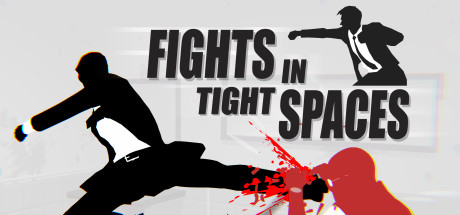
Referenced for visual style; the minimalist silhouette aesthetic and stylized presentation draw consistent SUPERHOT comparisons, used as a shorthand for the game's look.
Reviewers explicitly favor FITS — 'this is what Midnight Suns should have been' — citing superior combat mechanics without the narrative bloat.
Direct sequel/spinoff; some reviewers prefer the original's focused spy-agent identity, others note the sequel improved certain mechanics. Sequel underperformance reportedly drove developers back to FITS DLC.
Cited as spiritual predecessor for card-based tactical combat on PSP; reviewers describe FITS as a polished modern successor to that design lineage.
Peer comparison in deckbuilding roguelites; some reviewers note FITS lacks Monster Train's replayability systems, others consider them equals in quality.
Reviewers note FITS lacks Hades-style persistent narrative meta-progression between runs, which limits long-term engagement for players expecting story unlocks as reward for repeated runs.
Mentioned as a genre alternative; opinions split between FITS's tactical depth and Nitro Kid's variety and risk-taking mechanics.
Referenced for comparable addictive card-loop engagement mechanics; used to contextualize FITS within the broader card-game zeitgeist.
Sentiment History
Sentiment over time
Playtime Sentiment
Sentiment by time invested
· 1,843 post-launch reviewsPlayers who invest more time rate this game significantly higher (+39pts) — a strong signal of a slow-burn experience that rewards patience.
Competitive Benchmark
Compared to 387 similar games in the Action genre released in 2021.
Tags
Loading analytics...
Get more analyses like Fights in Tight Spaces
Free reports today. Pro launches soon. No spam.