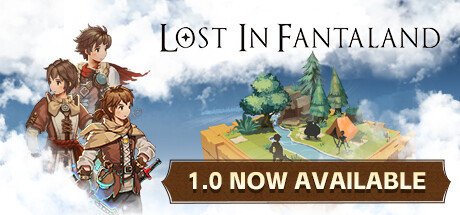
The Verdict
“Charming FFT-pixel-art deckbuilder with a clever grid twist — fun for 10–15 hours, then repetition sets in hard.”
Very Positive
This puts the game in the top 30% of all reviewed games on Steam.
Analysis by Ivan Z. Ganza · Methodology →
Quick Stats
151en
669 total (all languages)
151 analyzed
Current as of Apr 27, 2026
Sep 26, 2024
$13.99
Apr 23, 2026
0.1/day
Slowing
Metadata current as of Apr 27, 2026 · Source: Steam
Market Reach
≈21,000
≈$180.0K
Based on 669 reviews (all languages)
Based on review count × genre/age/price-adjusted Boxleiter ratio. Gross revenue before Steam’s 30% cut, refunds, and regional pricing.
Design Strengths
- Grid-based tactical positioning fused with deckbuilding lets players actively reduce RNG dependency through movement — a genuine mechanical differentiator
- Multi-card simultaneous play creates emergent combo moments (e.g., AoE + single-target stacking) not common in the genre
- Addictive core loop consistently pulls players past intended session lengths; multiple reviewers report losing 5+ hours without noticing
- Charming pixel art with strong Final Fantasy Tactics visual identity — aesthetic is a top-cited draw
- Six distinct characters with unique decks and artifacts provide meaningful mechanical variety between runs
- Meta-progression through Soul Orb Shop rewards every run, preventing feel-bad death spirals
- Ascension mode unlocks post-completion for players seeking progressive difficulty escalation
- Chill, well-regarded music that reinforces the cozy tone
Gameplay Friction
- English localization is widely criticized as inconsistent and sometimes unintelligible — card descriptions are ~20% ambiguous, enemy effect descriptions ~50% unclear, creating unfair surprise deaths
- Card pool is bloated with unviable options; many 'reward' cards are functional downgrades, frequently leaving players unable to build a viable engine
- Boss design relies on excessive health pools and abrupt invincibility phases with unclear telegraph, making boss fights feel unfair rather than challenging
- Character unlock progression gates new classes behind extended play with starter characters, frustrating players who want to explore the roster early
- Difficulty is poorly stratified: easy mode grants no progression rewards, and ascension mode requires significant grinding to unlock — leaving a gap for mid-skill players
- Dialogue is tonal mismatch — frequent text emotes and fourth-wall breaking banter undercut the Final Fantasy Tactics aesthetic the visuals promise
- UI is bare-bones with minimal settings and poorly signaled mechanics; some interactions require guessing
Audience Profile
Ideal Player
A tactics-curious deckbuilder fan who wants a cozy, low-stakes roguelite with grid positioning but doesn't demand genre-defining innovation.
Casual Friendliness
medium
Player Archetypes
Not For
Sentiment Trend
declining
Sentiment dropped from 92% to 60% positive over the last 90 days (10 reviews vs 12 prior).
Genre Context
In the roguelite deckbuilder genre, standout titles typically succeed by introducing a single strong mechanical hook on top of the established card-management loop; Lost in Fantaland's grid-positioning layer is a credible hook but its shallow card pool, content ceiling around 15 hours, and borrowed numerical design hold it below genre leaders. At $8.51 it competes on price rather than depth, which is a viable position if content and polish are addressed.
Promise Gap
Audience Match
The store page targets deckbuilder and strategy fans broadly with emphasis on card volume and variety, but the players who most enjoy the game are specifically those who value tactical grid positioning as a complement to deckbuilding — the game's actual differentiator is never mentioned, leaving its ideal audience underinformed and its general deckbuilder audience occasionally disappointed.
Player Wishlist
- Multi-hero party management — ability to control more than one character simultaneously per run
- Additional classes or subclasses beyond the current six
- More acts/chapters to extend run length beyond the current structure
- Additional game modes beyond normal and ascension
- Controller / gamepad support (d-pad + face buttons)
Churn Triggers
- Within the first 1–2 hours, players who expected more innovation over Slay the Spire hit a wall of familiar card values and copied mechanics and quit immediately
- Around hours 10–15, after seeing most of the card pool, players recognize run-to-run repetition and stop returning — content exhaustion hits well before 100% completion
- Early in class progression, players forced to grind starter classes before unlocking others drop off rather than invest the required time
- On first boss encounters, players receiving no clear attack telegraphs and dying to unexpected invincibility phases abandon the run and often the game
Developer Priorities
Commission a full English localization pass — card descriptions, enemy effect tooltips, and dialogue — ideally with community proofreading or a hired native-speaker editor
The most-mentioned friction (30 mentions, high confidence) across both positive and negative reviews; ambiguous card text directly causes unfair losses and distrust of the game's systems, accelerating churn and refunds
Audit and cull the card pool: flag unviable cards, rebalance or remove outright downgrades, and ensure every reward offer has at least one genuinely attractive option
24 mentions of card balance issues; players feeling unable to build a working deck is a direct churn trigger and a primary negative review driver — this undermines the core fantasy the game sells
Redesign the class unlock gating to allow earlier access to non-starter characters — e.g., a shorter unlock path or a 'try' mode for locked classes
20 mentions of character variety issues; forcing players to grind hated classes before experiencing the roster is a documented early churn trigger that prevents discovery of the game's best content (e.g., the Trickster)
Redesign boss encounter telegraphs and review invincibility phase timing — show attack range previews on boss turns and add visual clarity to phase transitions
5 dedicated mentions but elevated helpfulness votes (avg 6.5); opaque boss mechanics convert skill-test moments into perceived unfairness, souring players who have already invested 10+ hours
Add more runs of content — additional acts, bosses, relics, or a new class — and surface these via a content roadmap update
25 mentions of content exhaustion; players who enjoy the core loop churn not from dislike but from running out of game — expanding depth is the primary retention lever at this stage
Competitive Context
Primary reference point for every reviewer; the grid positioning is praised as a genuine addition, but direct copying of card numerical values and mechanics draws significant criticism — 58-helpful-vote review explicitly calls this out
Grid-based tactical positioning is compared favorably; reviewers appreciate that Lost in Fantaland borrows the grid concept and uses it meaningfully within a deckbuilder context
Cited as an example of a deckbuilder that innovates on the STS formula more successfully — reviewers use it to illustrate what Lost in Fantaland fails to do in terms of mechanical originality
Referenced alongside Monster Train as a deckbuilder that carves out more distinct identity; used as a benchmark Lost in Fantaland does not meet for differentiation
Visual and tactical inspiration praised warmly; however reviewers note the game lacks FFT's party management depth and narrative quality that fans of that game would expect
One reviewer notes Lost in Fantaland scratches a similar itch but allows for more overpowered build expression, framed as a positive distinction
One reviewer explicitly loves Crawl Tactics and finds Lost in Fantaland very similar — a positive endorsement for the niche audience who enjoyed that title
Sentiment History
Sentiment over time
Playtime Sentiment
Sentiment by time invested
· 80 post-launch reviewsSentiment is consistent across all playtime ranges — players feel the same way whether they've played 2 hours or 200.
Competitive Benchmark
Compared to 424 similar games in the Strategy genre released in 2024.
Tags
Loading analytics...
Get more analyses like Lost In Fantaland
Free reports today. Pro launches soon. No spam.