The Verdict
“A $7 PS1 mech roguelite with a drum-and-bass soul — tight, gorgeous, and over in 20 hours.”
Overwhelmingly Positive
Fewer than 5% of Steam games with 1,000+ reviews achieve this.
Analysis by Ivan Z. Ganza · Methodology →
Quick Stats
1,364en
1,476 total (all languages)
1,401 analyzed
Current as of May 19, 2026
Jan 7, 2026
$7.29
May 19, 2026
8.5/day
Slowing
Metadata current as of Apr 23, 2026 · Source: Steam
Market Reach
≈40,000
≈$290.0K
Based on 1,476 reviews (all languages)
Based on review count × genre/age/price-adjusted Boxleiter ratio. Gross revenue before Steam’s 30% cut, refunds, and regional pricing.
Design Strengths
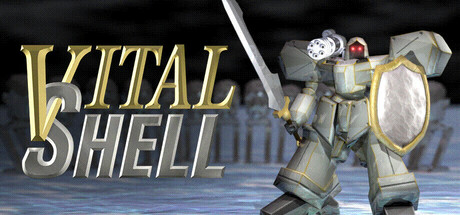
- Authentic PS1/Saturn low-poly aesthetic — menus, fonts, memory-card save UI, and pre-rendered cutscenes all cohere into the most convincing retro fidelity in the genre
- Jungle/drum-and-bass/breakcore soundtrack independently praised as worth the purchase price, with independent artists elevating it above generic chiptune retro fare
- Wave-gated upgrade selection creates deliberate pacing vs. the rapid-fire upgrade spam of genre peers, rewarding strategic intent over luck
- Gem socketing and resonance synergies provide meaningful build depth across five mechs — an in-game guide accessible mid-run removes lookup friction entirely
- Arena-constrained combat with manual dodge and optional manual aim makes positioning and timing matter in a genre known for passive play
- ~20-minute run structure respects player time while delivering a complete arc per session, enabling genuine 'one more run' momentum
- Five mechanically distinct mech Shells with free post-boss color customization sliders deliver variety without monetization pressure
- Lower visual noise and subdued effects create a meditative, low-stim experience that stands apart from the screen-clutter of genre competitors
Gameplay Friction
- Difficulty ceiling is too low — the game is broadly considered easy by players past their first clear, with no hard mode, difficulty modifiers, or endless mode to extend the challenge curve
- Special ability bound to Q conflicts with WASD left-movement, creating a significant control conflict in late-game builds requiring 100% ability uptime; key rebinding is absent
- Enemy variety across all five stages is shallow — encounters are dominated by generic mobs with boss fights as the only standout; no stage-specific specialized enemy mech types
- Auto-shoot default frustrates players who launch expecting an active twin-stick shooter given the mech setting and top-down arena framing
- Early waves feel slow for returning players — the difficulty ramp is calibrated for first-time runs, leaving experienced players under-stimulated in the opening phase
Audience Profile
Ideal Player
A 25–40 year old who grew up renting PS1 games and now wants a tight, skill-expressive roguelite they can finish in a weekend without commitment overhead.
Casual Friendliness
high
Player Archetypes
Not For
Sentiment Trend
stable
Sentiment steady at ~95% positive over the last 180 days (1401 reviews).
Genre Context
Vital Shell enters an overcrowded survivors-like market and differentiates through arena-constrained combat, a manual dodge, and wave-gated upgrades that demand positioning skill rather than passive scaling. Among roguelites at this price tier, its PS1 fidelity and OST quality are genuinely without peer.
Promise Gap
Audience Match
The store page accurately describes the PS1 aesthetic and build mechanics but the 'Top-Down Shooter' and 'Arena Shooter' tags attract players expecting active twin-stick combat, generating the game's primary negative review driver. The actual audience — survivors-like fans who value vibe and build depth over twitch mechanics — is not explicitly addressed in the store copy.
Player Wishlist
- Endless or survival mode with escalating difficulty for players who have completed all five stages
- Additional difficulty tiers or modifiers (e.g. 30-minute harder missions, challenge runs)
- More stages beyond the current five, with dedicated per-stage music tracks
- More playable mech Shells and weapons to expand build space
- Official OST release for purchase
- Co-op or split-screen multiplayer mode
Churn Triggers
- Players who complete all five stages and unlock all achievements — typically within 15–20 hours — hit a hard content wall with nothing left to pursue and disengage permanently
- Players arriving from twin-stick shooter marketing signals (tags: Top-Down Shooter, Arena Shooter) drop within the first session (0–1 hours) when auto-shoot mechanics reveal a survivors-like core instead
- Players sensitive to repetition notice enemy-type sameness by stage 3–4 and reduce session frequency before reaching all bosses
Developer Priorities
Ship an endless or escalating-difficulty mode
The single highest-frequency request (87+ direct mentions) and the primary churn trigger for players who finish all content around 15–20 hours — it directly extends retention beyond the current content wall without requiring new art or stage production
Add at least one new difficulty tier or modifier system (e.g. curse modifiers, challenge run flags)
Experienced players find the game too easy immediately after first clear; difficulty friction is the most common criticism from positive reviewers, meaning it's suppressing replayability among already-converted fans
Implement full keyboard rebinding, especially remapping the Q special-ability key
The Q/WASD conflict is a concrete, named mechanical failure that blocks optimal play in specific high-uptime builds — it has 37 helpful votes on a single review, indicating broad agreement and low tolerance
Expand enemy variety with stage-specific specialized mech enemies
Generic mob repetition across all five stages is the second most common design criticism; adding specialized mechs per stage would differentiate the environmental identity of each run and slow mid-game churn
Release the official OST as a purchasable add-on
The soundtrack is the second most praised element (348 mentions); an OST release is the most concrete low-effort monetization opportunity, converts fan enthusiasm into revenue, and surfaces the game to music-discovery audiences
Competitive Context
Primary genre reference; most reviewers explicitly favor Vital Shell for tighter pacing, skill-focused mechanics, and manual dodge — framed as a refinement of the survivors-like formula rather than a clone
Compared as an arena survivors peer; Vital Shell praised for better art and streamlined upgrade flow, but one negative reviewer cites Brotato as the superior alternative
Cited as the primary visual and aesthetic inspiration (PS1-era AC1–3); reviewers note the gameplay is survivors-like rather than true Armored Core mechanics, which is a source of both praise and occasional disappointment
Multiple reviewers explicitly state Vital Shell is more engaging than Megabonk and that it displaced their Megabonk sessions
Reviewers describe Vital Shell as filling the nostalgic gap left by the dormant Custom Robo franchise, evoking the same GameCube-era mech feeling
Referenced for mech combat aesthetic and boss fight feel; used to establish the game's retro mech identity rather than as a direct genre comparison
Cited as a comparable bullet-hell roguelite with longer progression requirements; used to benchmark Vital Shell's shorter run structure favorably
Implicitly referenced as the roguelike design benchmark for 'one more run' loop quality and meta-progression feel
Sentiment History
Sentiment over time
Playtime Sentiment
Sentiment by time invested
· 1,401 post-launch reviewsSentiment is consistent across all playtime ranges — players feel the same way whether they've played 2 hours or 200.
Competitive Benchmark
Compared to 180 similar games in the Action genre released in 2026.
Tags
Loading analytics...
Get more analyses like Vital Shell
Free reports today. Pro launches soon. No spam.